

Immune Boosting Supplements and Usage Guide

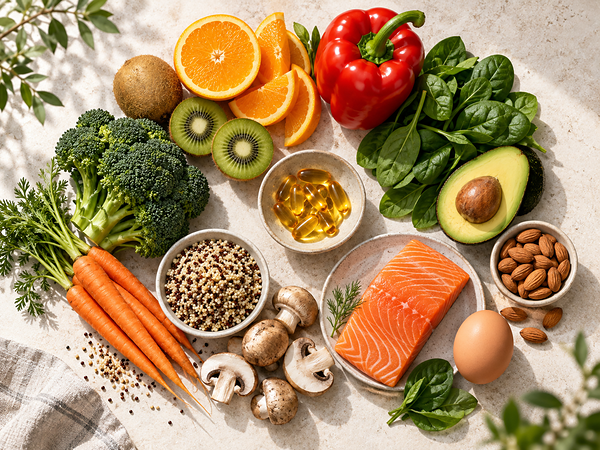
Immune-Boosting Supplements and Usage Guide
The immune system is a network of cells, tissues, and organs that protect the body against external pathogens. The intense pace of modern life, seasonal changes, and environmental factors may occasionally cause our immune shield to need extra support.
In the health and wellness trends of 2026, immune-boosting supplements emerge not as a treatment tool but as "Wellness Supports" that aid the body's natural functions with high bioavailability and pure ingredients. Zade Vital offers scientific solutions to confidently support your immunity at the cellular level with its "Science from Nature" philosophy, R&D strength, and production quality adhering to GMP (Good Manufacturing Practices) standards.
How to Strengthen the Immune System? Mechanism and Lifestyle
Proper functioning of the immune system depends not only on supplement usage but on a holistic lifestyle approach. Quality sleep, stress management, and balanced nutrition form the basis of vital mechanisms such as antibody production and white blood cell activity.
As emphasized by academic studies, maintaining levels of glutathione, the body's main antioxidant, and keeping cells free from oxidative stress are critical for cellular resistance. The answer to how to strengthen the immune system lies in habits that initiate defense at the cellular level:
- Regular Sleep: Sleep 7-8 hours of quality rest daily to support cell regeneration.
- Adequate Fluid Intake: Consume at least 2-2.5 liters of water daily to keep mucous membranes moist and eliminate toxins.
- Exercise: Stay active weekly to enhance blood circulation and immune cell circulation.
- Consult Your Pharmacist: Obtain expert guidance to determine the most suitable supplement protocol for your individual needs.

Key Vitamins Supporting Immunity: A, C, D, E, and B Complex
Micronutrients act as coenzymes and building blocks in the body's defense mechanism.
Vitamin C Supplementation
Water-soluble vitamin C supports the functions and mobility of white blood cells, helping combat pathogens. It is a powerful antioxidant; since it is not stored in the body, vitamin C supplementation or daily intake through foods is necessary.
Vitamin D3
Most immune cells contain vitamin D receptors (VDR). Vitamin D3 plays a key role in regulating both innate and adaptive immune responses.
Vitamin A
The skin and mucous membranes are the body's first defense line. Vitamin A helps maintain tissue integrity, making it harder for pathogens to enter the body.
B Complex (B6, B9, B12)
Vitamins B6, B9, and B12 contribute to the activation of natural killer (NK) cells and the DNA/RNA synthesis of immune cells.
Vitamin E
A fat-soluble powerful antioxidant that protects cell membranes against lipid peroxidation. Zade Vital offers the highest bioavailability of plant-based vitamin E and oil-based formulas without compromising molecular purity through its Cold Press Expertise.
Critical Minerals and Botanical Components: Zinc, Propolis, and Beyond
Natural antioxidants and minerals are synergistic allies that enhance the immune system's functional capacity.
- Zinc Supplementation: Essential for cell division, DNA synthesis, and T-lymphocyte maturation. Deficiency slows immune response.
- Propolis Drops: Provide natural protection with rich flavonoid content. Using standardized extracts is important for active ingredient stability.
- Beta Glucan Complex: Stimulates macrophage cells of the immune system, supporting the body's state of alertness.
- Curcumin, Allicin, and Resveratrol: These components found in turmeric, garlic, and red grape skin neutralize free radical damage.
- Quercetin and L-Lysine: Quercetin acts as an ionophore facilitating zinc entry into cells; L-Lysine supports protein synthesis.

Immunity Support Plan by Age Groups
- For Children: During developmental stages, D3 vitamin, vitamin C, and standardized propolis/elderberry liquid supplements support appetite and energy balance.
- Adults and White-Collar Workers: Under intense pace and stress, vitamin C, zinc, beta glucan, and B complex combinations help manage oxidative stress.
- 65+ Age Group (Elderly): Considering immunosenescence and absorption declines associated with aging, vitamin B12 and D3 levels should be regularly monitored, and high-absorption softgel forms should be selected.
Safety and Drug Interactions in Supplement Usage
Dietary supplements are not medicines; however, since they contain biologically active ingredients, they may interact with regularly used drugs. Zade Vital guarantees product purity with its "From Seed to Shelf" traceable production process and GMP standards.
| Supplement Name | Possible Drug Interaction | Precautions |
|---|---|---|
| Zinc | Tetracycline Group Antibiotics | May reduce absorption. Should be taken at least 2 hours after medication. |
| Vitamin D | Calcium Channel Blockers | Calcium levels should be monitored due to hypercalcemia risk. |
| Omega-3 | Blood Thinners (Aspirin, etc.) | May prolong bleeding time; should be used under medical supervision. |
Frequently Asked Questions (FAQ)
What strengthens immunity the fastest?
It is not possible to instantly strengthen the immune system with a single supplement; balanced nutrition, adequate sleep, and regular use of supports like vitamin C and zinc contribute to the system’s normal function. Updated 2026 guidelines emphasize that supporting supplements with holistic lifestyle changes is the most effective approach.
Are immune-boosting vitamins stored in the body?
Fat-soluble vitamins like A, D, and E are stored in the body; water-soluble vitamins such as B and C are not stored and excess amounts are excreted. Therefore, it is important to take water-soluble vitamins regularly on a daily basis.
Who are vitamin immune booster supplements suitable for?
They are suitable for people who work at a fast pace, those with decreased resistance during seasonal transitions, and individuals with vitamin deficiencies as advised by doctors. Those with chronic diseases or on regular medication should always consult their doctors before using supplements due to possible interactions.
IMPORTANT REMINDER: Dietary supplements do not replace normal nutrition. They are not medicines. They are not used for prevention or treatment of diseases. Always consult your pharmacist or doctor before use.