


Spring Allergy: Causes, Symptoms, and Natural Supports
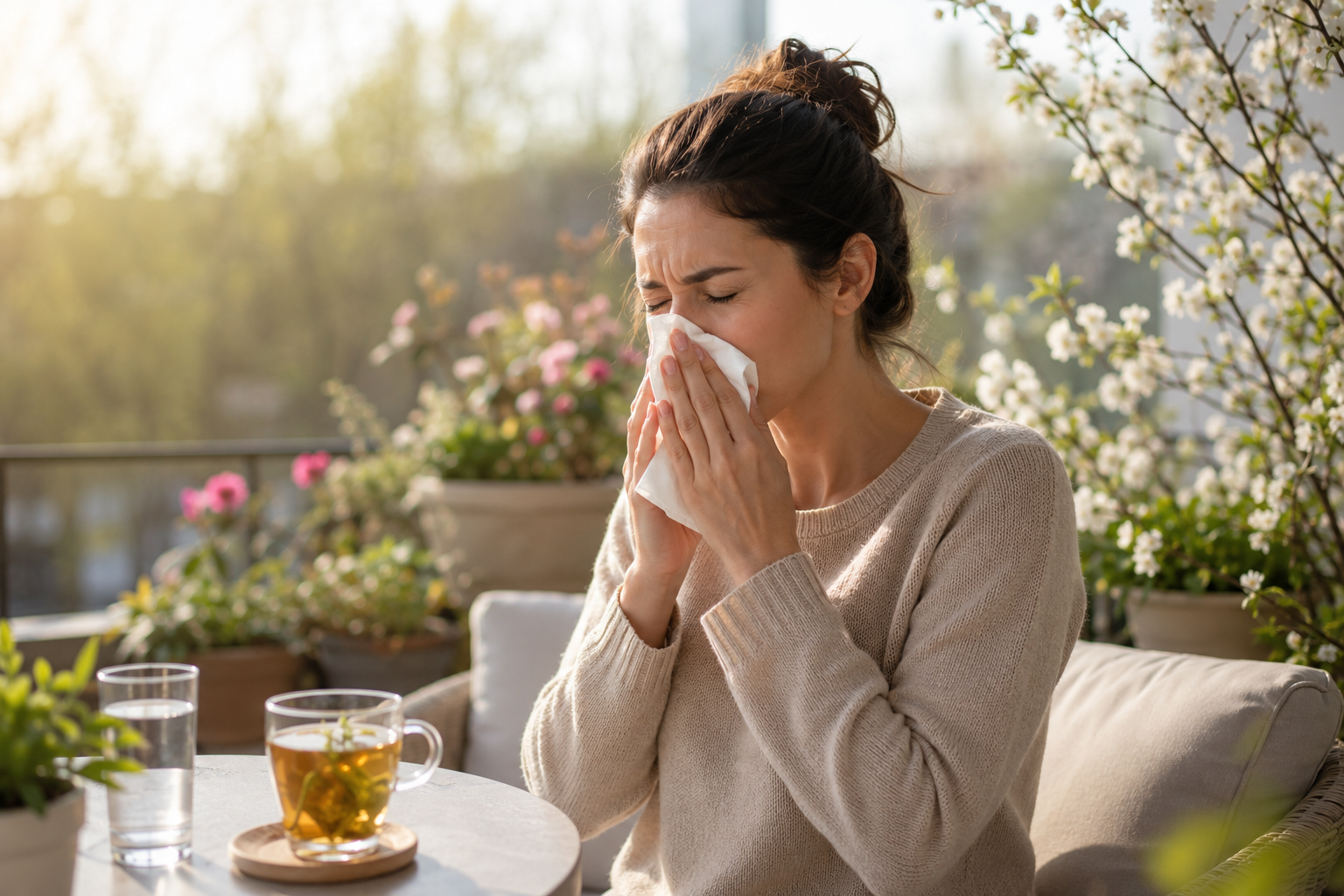
While the blooming of flowers and the revival of nature in spring are energizing for all of us, unfortunately, this period brings difficult allergic reactions for many people.
An allergy is an excessive and defensive reaction of the body to substances that are normally harmless. This exaggerated response can sometimes affect the whole body or may be limited to a specific area (such as the nose, eyes, or skin). Genetic predisposition and environmental factors play the most important role in the emergence of allergies.
Why Do Allergies Occur? The Immune System's Exaggerated Response
Our immune system normally protects our body against microbes such as bacteria and viruses and harmful external factors. However, the immune systems of allergic individuals are overly sensitive to certain substances.
When encountering these substances, the defense mechanism goes out of control, so to speak, and the following allergic symptoms are triggered in a chain reaction in the body:
- Intense itching and redness on the skin,
- Watery, tearing, and redness in the eyes,
- Runny nose, congestion, and repeated sneezing attacks,
- Swelling in tissues and spasms in the airways (shortness of breath)
What Is an Allergen and What Are the Most Common Allergens?
An allergen is any foreign substance that triggers allergic reactions and alarms the immune system. The most common allergen sources that diminish quality of life are:
- Environmental Allergens: Pollens, mold fungi, house dust mites, and pet hairs.
- Consumption-Related Allergens: Some medications and food items.
- Physical Triggers: In some cases, allergic reactions can develop even without a microscopic substance. Intense sunlight, extreme cold, or physical vibrations can also trigger allergies in some people.
- Genetic Factor: Genetic predisposition to allergic diseases is very high. Family history is decisive here; if there is a history of allergy in both mother and father, the likelihood of allergy in the child is much higher.
Ways to Prevent Allergies and Natural Supports
The most effective and primary treatment method in allergy management is to avoid allergens. Identifying factors causing allergic reactions and staying away from them is the strongest prevention method. After allergy is triggered seasonally, antiallergic drugs under medical supervision may come into play.
The Effect of Black Seed Oil During Seasonal Transitions
Black seed, a natural source of healing, is a wonderful support during allergic processes experienced in spring. Scientific research shows that regular use of black seed helps to balance the immune system (immunomodulatory effect) and thereby alleviates allergic symptoms such as sneezing and runny nose.
To get through the spring season more comfortably and strengthen your immune barrier, you can include Zade Vital Black Seed Oil capsules or liquid forms, produced by cold-pressing and containing a high amount of thymoquinone, in your daily supplement routine.